This post was written by Rose Wong, a Duke student, for College Torch in 2020. Updated November 2026.
Duke is a private research university in Durham, North Carolina, with about 6,500 undergraduates and a college experience full of academic rigor, basketball madness, and strong pre-professional opportunities. After three years on this beautiful campus, I can both sing its praises and be critical of parts of it, and I’m happy to share both as your teen explores colleges and looks for the right fit.
Academics
Undergraduates enroll in either Trinity College of Arts and Sciences or the Pratt School of Engineering. Computer science, economics, and public policy are among the most popular majors. The student-faculty ratio is about six to one, and most classes have fewer than 20 students, though intro courses like Stats 101 and popular classes (like the earth science course nicknamed “Rocks for Jocks”) are bigger.
A Duke education is hard, but it can be phenomenal. I’ve taken classes I just wanted to get through, and others that blew my mind, shifted my worldview, and challenged who I thought I was. At Duke, you get out what you put in, and you can expect to spend a lot of time in the infamous Perkins Library.
Social life
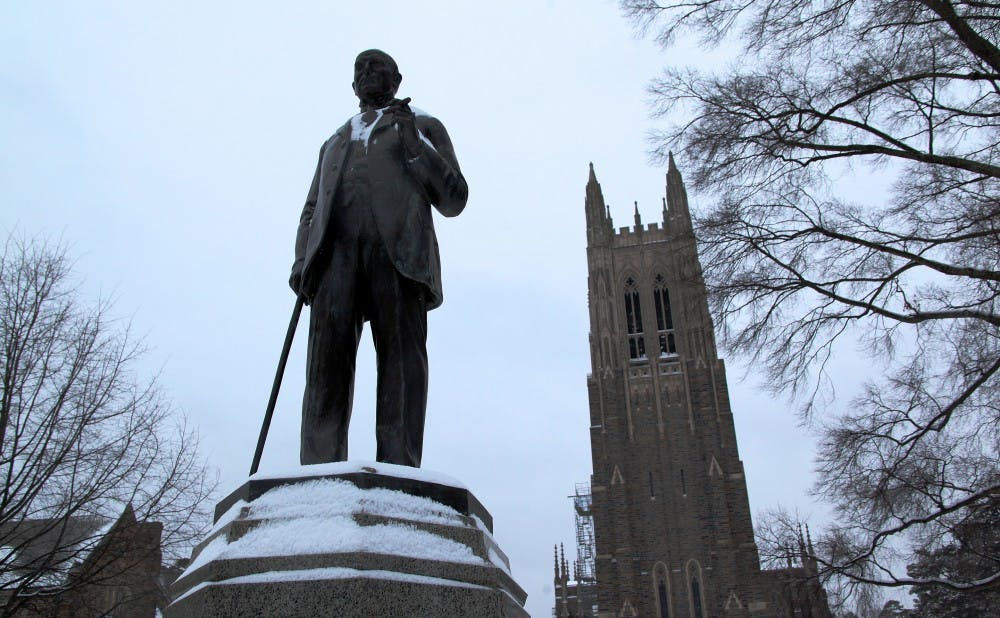
Duke is often compared to the Ivy League for its academic reputation, but its social culture is very different. Most of the colleges Duke is compared to aren’t especially invested in athletics. Duke has one of the most storied men’s basketball programs in the country. You may not be a basketball fan, but you will be a Duke basketball fan. Dorms and student groups throw watch parties, and students camp out for weeks in K-Ville (named for legendary coach Mike Krzyzewski, who retired in 2022) to get into the Duke-UNC game. The school spirit is unlike anywhere else.
Unlike many of its peers, Duke also has a big Greek life presence. You can absolutely have a thriving social life without joining a fraternity or sorority, but you’ll likely know many people who do, and a lot of parties are Greek-affiliated. Duke also has Selective Living Groups (SLGs): co-ed social groups that, like Greek organizations, recruit members and host events. Some students choose to stay “independent,” which has its pros and cons. I’ve found friends I’m thankful for every day, all as an independent.
(Or you can join The Chronicle! We give you friends for your labor.)
2026 Note
Since this post was written, Duke has reorganized residential life around its QuadEx model, which changed how housing and some social groups work. Ask about it on a campus visit or info session.
Durham
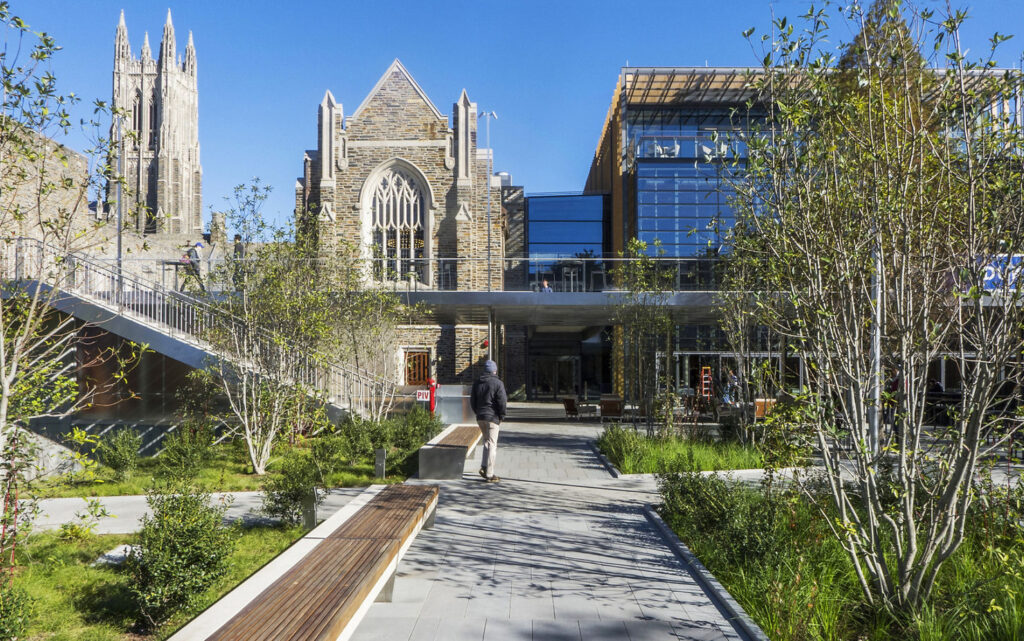
I love this little city. Durham is often overshadowed by nearby Raleigh, but it has its own creative energy and plenty of Southern charm. It has been growing fast, with young professionals moving in from across the country and a booming restaurant scene. It would be hard to pick a favorite restaurant downtown. There are too many!

Opportunities beyond the classroom
DukeEngage is a popular program that sends students to spend about eight weeks serving a community in the U.S. or abroad. It’s an amazing opportunity, though some critics call programs like it “voluntourism,” so it’s worth asking how projects are chosen.
Duke also has the Marine Lab in Beaufort, North Carolina, where students can spend a semester taking classes on the coast. It’s perfect for future marine biologists, but students in any major can apply, and everyone I’ve talked to loved it.
Many students study abroad too, in places from Berlin to Singapore.
I’m barely scratching the surface. A university is large and complex, and I’m still learning about Duke as a senior. But I hope this gives you a feel for the place.
Free Download
The College Research Toolkit
Maybe it’s Duke, or maybe it’s a college that fits your teen even better. My go-to resources show you where to start looking.
Get the College Research Toolkit →Free. I’ll send it straight to your inbox.
Robert Powers
Founder, College Torch
Robert Powers is the founder of College Torch, a college counseling practice in Sierra Madre, California, that works with families nationwide. In 10+ years he has guided 300+ students, and 90% go to one of their top three college choices. He holds two degrees from Johns Hopkins, is a Professional Member of IECA, and co-authored a chapter in NACAC’s textbook for college counselors.
IECANACACHECAWACACM.A. Johns Hopkins
Book a free Right-Fit Call | Meet Robert | Parent group on Facebook