

College Torch logo
College Torch  ·  UC Blast-Off for Seniors

Your senior's UC Application, done well and submitted before Thanksgiving.

Starting the UC Application now and not sure where to begin? The UC Blast-Off is a three-week program, November 2 to 22, that takes your teen through every section with Robert: majors and campuses, academic history, the Activities List, all four Personal Insight Questions, and everything in between.

For high school seniors applying to the University of California for fall 2027. 10 seats. Update: Early bird price extended through Wednesday, October 28. Enrollment closes Sunday, November 1, at 11:59 p.m. Pacific.
Senior working on her UC Application at her laptop
CN

"Going into the application season, I had zero knowledge about how to even start, and he made it a very smooth and enjoyable process. He guides you through every part of the application."

Charles N.  ·  UC Irvine
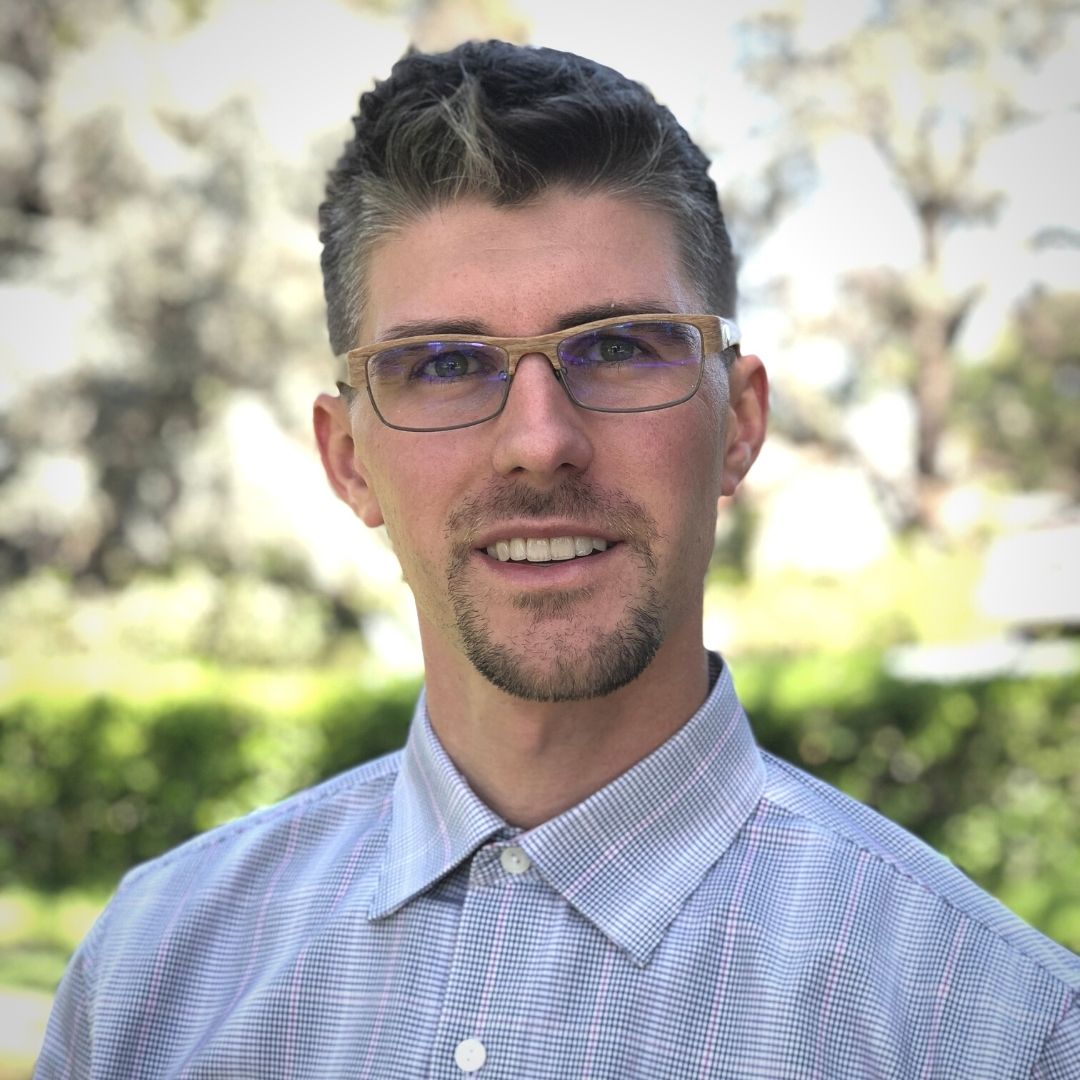
Robert Powers
Robert Powers
M.A. Johns Hopkins  ·  Founder, College Torch  ·  IECA Member

Every fall, families reach me in late October with the same realization: the UC Application is harder than it looked. Their teen is staring at eight essay prompts and twenty activity slots without knowing what good looks like, and their school counselor is doing their best with hundreds of seniors. Three weeks is enough time to do this well, as long as someone who knows the application is in the room. My luminaries have gone on to UCLA, UC Berkeley, UC San Diego, and UC Irvine, and one earned a $30,000 Regents Scholarship from UC Davis. I built the Blast-Off for exactly this moment.

The Challenge

Starting late is fixable. Starting without a plan is the real problem.

The UC Application looks simple: one application for every campus, no separate essays for each school. Then your teen opens it. Most seniors fill it out top to bottom, one box at a time, the week of the November 30 deadline. The application gets submitted. It just doesn't say what it could have.
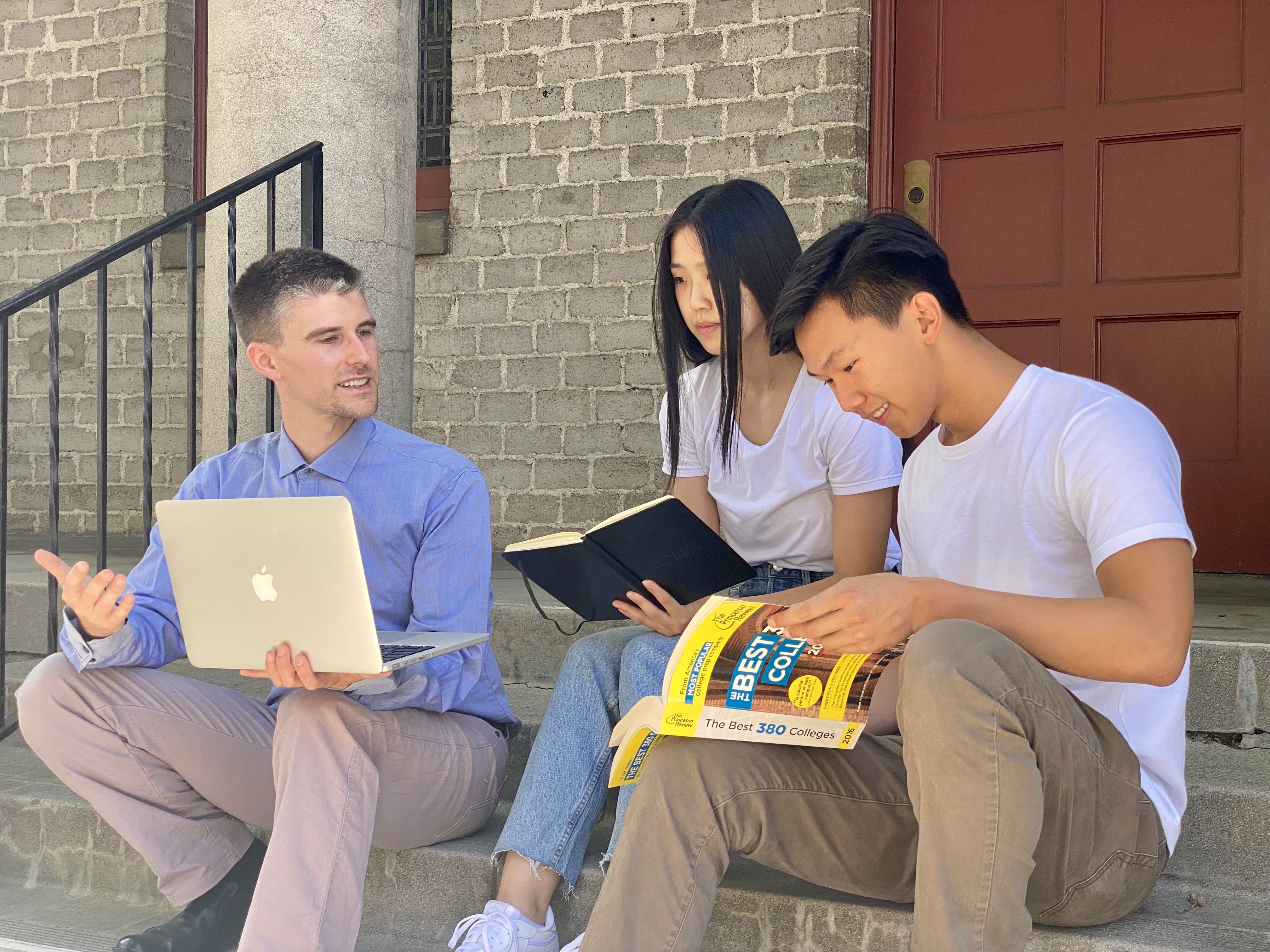
Robert Powers working through applications with students
  • At many campuses, the major your teen chooses shapes their chances of admission. Some campuses consider an alternate major and some don't. Choosing a major without a strategy is the most expensive mistake on the application.
  • Most families think the activities section is the easy part. Then they see twenty entries, six categories, and 350 characters each, and realize they don't know what a strong entry looks like.
  • Four essays from eight prompts, 350 words each. Most students choose prompts first and stories second, which is backwards.
  • Your teen types in every course and grade from their transcript. A mismatch with the official transcript later can put an admission at risk.
  • The UCs calculate GPA three different ways, and none of them is the number on the report card. Knowing them changes which campuses and majors make sense.

What We Cover

Every section of the UC Application, with our time spent where decisions get made.

About half of the Blast-Off goes to the Personal Insight Questions and about a quarter to the Activities List, because that's where readers get to know your teen. The rest gets short, careful attention, because a wrong move there costs more than a weak sentence does.

Activities
PIQ essays
Strategy: majors, campuses, GPA
Academic history and financial sections
Activities List: about a quarter
Personal Insight Questions: about half
Additional Comments
01
Majors, campuses, and the plan

Robert recalculates your teen's GPA the three ways the UCs calculate it and reviews their transcript the way an admissions reader sees it. Then he helps your teen choose a major at each campus, decide where an alternate major helps, and add every campus that makes sense, balanced across moonshot, reach, target, and likely. For LGBTQ+ students, campus climate counts alongside admission odds.

02
Academic history, entered once and entered right

In the Friday, November 6 Build Session, your teen enters every course and grade from their transcript with Robert's checklist for the spots where students most often make mistakes: repeated courses, summer and college classes, honors designations, and courses taken outside their high school.

03
Financial aid and scholarship sections

The family and income questions, fee waivers, the Educational Opportunity Program, and the application's scholarship section. Robert also explains what comes next with the FAFSA or California Dream Act Application, so nothing important waits until spring.

04
The Activities List

Your teen brings everything (jobs, family responsibilities, clubs, sports, awards, projects) and learns what a strong entry looks like in the Dazzling Activities Course. After feedback and revision, Robert edits, polishes, and cuts every entry to 350 characters so each one shows impact.

05
The four Personal Insight Questions

Brainstorm wide, then zoom in. Your teen finds their strongest stories first, then matches them to four of the eight prompts so each essay shows something new. After feedback and revision, Robert edits, polishes, and cuts each essay to 350 words while keeping your teen's voice.

06
Additional Comments, used on purpose

Some students need this box to explain a grade dip, a school change, or a family circumstance. Others should leave it alone. Robert helps your teen decide which, and keeps it short and factual when it's used.

How It Works

Learn the method, plan it together, then build it with Robert in the room.

01

Two Courses, Free and Required

Your teen gets free access to Robert's Dazzling Activities Course and Effortless UC Essays course. Completing both is required, so every live session goes to your teen's own application instead of the basics.

02

4 Group Strategy Sessions

Live on Zoom with Robert in the first week and a half: strategy and the application's sections, then the Activities List and the Personal Insight Questions, step by step. Robert shows real examples and answers questions as they come up. Every session is recorded.

03

7 Drop-In Build Sessions

Spread across all three weeks. Your teen works on their own application in a breakout room, and Robert moves between rooms for live help: a stuck essay, a tricky course entry, an activity that won't fit in 350 characters.

Then Robert finishes the work with your teen. Every Personal Insight Question and every activity gets Robert's feedback and your teen's revisions, then Robert's own edits, polish, and cuts to the word or character limit. Before your teen submits, he reviews the complete application.

What You Receive

A finished UC Application, ready to submit.

Every piece is built by your teen, shaped with Robert, and finished by the end of the program: a UC Strategy Sheet, verified academic history, completed financial sections, a polished Activities List, four finished Personal Insight Questions, and Robert's final review. Here's how those pieces fit together for one student.

Application Map: Sample  ·  Senior, public health interest, Southern California
She works weekends at her family's restaurant, captains the debate team, and volunteers at a free clinic. She started the application in late October and assumed the restaurant didn't count.
Three UC GPAs recalculated; transcript read the way an admissions reader sees it
A strong upward trend junior year and a full load of honors-level courses. That's a strength her essays don't need to repeat.
Public Health where it's offered; a related major where it isn't
Every campus where she'd be happy, balanced across moonshot, reach, target, and likely, with an honest look at how competitive her major is at each one.
The restaurant job leads the list
Sixteen hours a week, plus the staff schedule she built for her parents. Debate and the clinic follow. Fourteen entries, each under 350 characters.
Leadership: rebuilding the debate team. Talent: reading a room, learned at the host stand.
Two different sides of her, with no overlap with what the Activities List already says.
Academic subject: AP Statistics and the restaurant's slow nights. Community: translating intake forms at the clinic.
The essay about statistics is also the essay about why public health.
Two sentences on a sophomore-year grade dip during a family move
Factual, short, and finished.
Cal State Apply, reviewed by Robert; three of these stories adapt to other colleges' essays
The UC work becomes a head start on everything else.
Every Application Map looks different. The rule stays the same: no two sections tell the same story.

Also Included

Six bonuses for the rest of the season.

Cal State Apply review

Robert reviews your teen's CSU application, where small errors cause big problems.

Programs with extra requirements

Support with majors that ask for more, like arts supplements.

Messaging access to Robert

Questions answered between sessions, throughout the program.

Parent briefing and check-ins

A briefing at the start, plus a check-in with Robert whenever you want one.

Your teen's Application Hub

Regularly updated status, so you always know what's done and what's next.

An April results session

Once UC decisions arrive, Robert talks through the results and next steps with your family.

The Launch Sequence

Three weeks, finished before Thanksgiving.

The UC deadline is November 30. Robert's students submit before Thanksgiving, so nobody spends the holiday weekend refreshing a slow application portal. Live sessions run November 3 to 19. The last few days belong to Robert's final edits and reviews, with room for anyone still finishing.

Week 1 Strategy and the Activities List
Tue, Nov 3
5:00 to 6:30 p.m.
Strategy Session
Strategy, the application’s sections, and Activities List layout
Thu, Nov 5
5:00 to 6:30 p.m.
Strategy Session
The essay task and brainstorming
Fri, Nov 6
5:00 to 6:30 p.m.
Build Session
Academic history entry Drop in to enter courses and grades with Robert's checklist and live help.
Sat, Nov 7
1:00 to 2:30 p.m.
Strategy Session
Activities descriptions and essay outlining
Sun, Nov 8
1:00 to 2:30 p.m.
Build Session
Drop in for live help
Week 2 Essays, drafted and revised
Tue, Nov 10
5:00 to 6:30 p.m.
Strategy Session
Essay drafting, Additional Comments, and remaining tasks
Wed, Nov 11
5:00 to 6:30 p.m.
Build Session
Drop in for live help
Sat, Nov 14
1:00 to 2:30 p.m.
Build Session
Drop in for live help
Sun, Nov 15
1:00 to 2:30 p.m.
Build Session
Drop in for live help
Week 3 Finishing touches and submit
Tue, Nov 17
5:00 to 6:30 p.m.
Build Session
Drop in for live help
Thu, Nov 19
5:00 to 6:30 p.m.
Build Session
Drop in for live help
Nov 20 to 22
Through Sunday
Final reviews
Robert’s final edits and application reviews. Room for anyone still finishing.
Sun, Nov 22
11:00 a.m.
Submission Party
Hit submit together, and celebrate.

All times Pacific. Strategy Sessions are recorded, and Build Sessions are drop-in, so your teen comes to the ones that fit their week.

Is It Right for Your Teen?

Built for seniors who need the UC Application done now, and done well.

A great fit if your teen

  • is a senior applying to UC this fall and hasn't had real help with the application
  • is stuck on what to write, or isn't sure what a strong Activities List looks like
  • has a school counselor who's stretched across hundreds of seniors

Talk to Robert first if your teen

  • needs help beyond UC, including Common App essays: additional counseling is available on request
  • has a finished application and only wants an expert read: see Peace of Mind
  • isn't sure the timing works: book a Right-Fit Call

From the Luminaries

In their own words.

LH
Laura H.
UC San Diego graduate

"When I started preparing for college applications in March, I didn’t have any activities to list, but by the end of the process I had ten. Those activities also helped me when I was writing my essays… The essay brainstorms we did together helped me get ideas for what to write. I am really happy with the final result."

AM
Alyssa M.
UC San Diego

"He kept me accountable for writing my essays every week by holding sessions each Sunday to make sure I had time to work on my college applications. This is very helpful, especially if procrastination is a struggle. Robert was always fast to respond and helped me form essays that fit the requirements for each application."

OR
Olivia R.
UC Davis

"Robert helped me a lot with diminishing my procrastination and gave me tips on organization and time management, since school and extracurriculars were taking a big portion of my time… I never felt embarrassed asking him questions that may seem dumb. He really kept me on track in an encouraging manner."

OY
Owen Y.
UC Berkeley graduate

"Robert helped me create a consistent schedule that allowed me to completely finish applications to over 10 schools. He was very encouraging and helpful, but he also taught me to be independent and work on my own. I became a better writer."

NT
Natalie T.
UCLA graduate

"He truly cared and took the time to know me as a student, individual, and artist… He was able to alleviate many of the fears and stress that came along my application journey. Robert helped me organize and revise my essays to showcase my best work."

KY
Kellie Y.
College Torch Parent

"Robert helped ease the burden of us having to nag about essay rewrites and deadlines and allowed us to take a more supportive role during the college application process… He helped tremendously with our son’s applications and gave great advice on how to improve his essays so that the schools could see his strengths."

The UC Blast-Off

One cohort this fall. 10 seats.

The group stays small so Robert can read every essay and every activity himself. When the seats are gone, enrollment closes.

Booked as separate College Torch sprints

The same work, one-on-one, at current sprint prices.

All four PIQs, with the Effortless UC Essays course (Spark Sprint, fall)$2,097
Activities List, with the Dazzling Activities Course (Showcase Spotlight)$997
Major strategy across campuses (North Star Sprint)$797
Final application review (Peace of Mind Sprint)$797
April results session (Clear Eyes Sprint)$597
Cal State Apply review, messaging access, parent check-ins, Application HubIncluded
Total value$5,285

Common Questions

Before you decide.

Is three weeks really enough? +
Yes, with a plan and someone who knows the application. The courses cover the method, so the first two weeks go to strategy, writing, and revision, and the third goes to Robert's final edits and review. Teens who finish in the Blast-Off still have the whole week of Thanksgiving to spare before the November 30 deadline.
How do Build Sessions work? +
Each student works on their own application in a breakout room on Zoom, and Robert moves between rooms to help live. Build Sessions are drop-in: your teen comes to the ones that fit their week. It's focused, quiet work time with an expert a click away, which is often exactly what a stuck senior needs.
Why are the two courses required? +
The Dazzling Activities Course and the Effortless UC Essays course teach the method Robert uses with every student. When your teen completes them, live sessions go to your teen's own application instead of the basics. Access to both is free with the Blast-Off.
Who writes the essays? +
Your teen does. Robert brainstorms with them, gives feedback, and, after your teen revises, edits, polishes, and cuts each essay to the word limit. The essays stay in your teen's voice, because that's what admissions readers are looking for.
My teen already started. Is it too late, or too early? +
Neither. Teens with drafts or a half-finished application bring what they have, and Robert helps them decide what to keep. Nobody starts over just to match the schedule.
What if a session time doesn’t work for us? +
Strategy Sessions are recorded, so a conflict never means missing the content. Build Sessions are drop-in, with seven to choose from, and messaging access covers questions in between. If the group's schedules call for it, Robert may move a session time, always with advance notice.
What about the Cal State application and other colleges? +
Robert reviews your teen's Cal State Apply application as a bonus. The Blast-Off focuses on the UC Application, but the stories your teen finds often adapt to essays for other colleges. If your teen needs help with Common App essays or more, additional counseling support is available on request.
Does it include the FAFSA? +
The Blast-Off covers the financial questions inside the UC Application, fee waivers, the Educational Opportunity Program, and the scholarship section. Robert also explains what to expect from the FAFSA or California Dream Act Application and when to file. Families complete those forms themselves.
What's the parent's role? +
Parents get a briefing at the start, a check-in with Robert whenever they want one, and up-to-date status in their teen's Application Hub. Sessions are for students, because the essays need to sound like the person writing them. Parents are often needed for the academic and financial sections, and Robert will tell you exactly when.
Is the Blast-Off LGBTQ+ affirming? +
Yes. Robert specializes in LGBTQ+ college counseling. Campus recommendations account for safety and affirmation, and if your teen is deciding whether to write about their identity, Robert talks it through with them privately. There's no right answer, only theirs.

Enroll

Ready to get the UC Application done?

$997 through Wednesday, October 28, at 11:59 p.m. Pacific, then $1,147. Enrollment closes Sunday, November 1, at 11:59 p.m. Pacific, or when all 10 seats are filled.

Questions before enrolling? Book a Right-Fit Call or email Robert.