

The transfer application is a different process from the freshman one, with different essays, different strategy, and different stakes. This sprint is built for exactly that process, from the first conversation through the submitted application.


"Regardless of your current academic situation, I wholeheartedly believe that Robert can provide assistance on your college journey. I received acceptances from institutions I never thought possible."
Jennifer W. · Admitted to Northeastern and Babson

The transfer application is not the freshman application with different branding. It asks different questions, evaluates different things, and the essays require a kind of honest self-reflection about where you are and where you want to go that most students have never had to do in writing before. The Next Chapter Sprint is how I help students tell that story well.
The Challenge
If you are applying to transfer, you already know something most high school applicants don't: that the school you are currently attending is not the right fit. That awareness is the starting point for a transfer application, but it is also one of the hardest things to write about. The application asks you to explain why you are leaving without making it sound like you are running away, and to show where you are going without sounding like you chose your destination on a whim.
The transfer application also evaluates you differently from a freshman application. Your college GPA is now the primary academic signal, not your high school transcript. Your activities since starting college need to be translated into an application that treats your high school experiences as background, not the main story. The "Why This School" essays you write as a transfer need to be more specific, more grounded, and more honest than the ones high school seniors write, because you are expected to know more about what you want. And the coursework you completed, the courses you are currently taking, and the ones you plan to finish before transferring all need to align with each target school's requirements for your major. That alignment is not guaranteed, it has to be verified and sometimes corrected before you apply.

The Essay Most Transfer Applications Get Wrong
The Personal Statement for freshman applications asks students to show who they are. The "Why Transfer" essay asks something harder: to explain a decision that involves real dissatisfaction, real reflection on what went wrong or didn't fit, and a clear articulation of what comes next. Most students' first attempts at this essay either sound like complaints about their current school or avoid the real reasons entirely. Neither works.
The version that works tells a forward-looking story rooted in honest self-knowledge. It names what the student wanted that their current school couldn't offer, acknowledges what they learned while they were there, and connects their specific reasons to what the target school actually provides. This requires having done the research, which is also part of the sprint.
Sounds like a complaint. Blames the current school, the program, the professors, or the environment. Makes the reader wonder whether the student is difficult to please rather than someone who has grown past a situation.
Avoids the real reasons entirely. Sounds like the student is applying because the new school is more prestigious, or because they want a fresh start, without saying anything honest or specific about why.
Forward-looking and specific. Names what the student learned about themselves and what they genuinely need. Connects to the target school's actual offerings with real research behind it. Acknowledges the current school honestly without dwelling there.
How the Sprint Works
The Next Chapter Sprint is not only about essays. Before any writing starts, Robert builds a transfer strategy and works through the course alignment picture: which schools make sense, which transfer-specific pathways apply, and whether the student's coursework puts them in a strong position at each target school. Everything that follows is built on that foundation.
Robert and your teen work through the full transfer picture: academic profile, current GPA, credit situation, major direction, and the honest reasons for transferring. Robert evaluates which schools make sense as targets given all of that, explains how transfer admission works at each type, identifies any California-specific pathways that apply, and maps the timeline including any early deadlines. Your teen leaves this session with a strategy and a clear picture of what comes next.
Before any application goes in, Robert works through the coursework alignment picture using ASSIST.org and UC TAP. He reviews your teen's completed and planned courses against each target school's requirements for the intended major, flags any gaps or concerns, and delivers written notes on what the review found. This is an experienced counselor's review of official articulation data. Families are also encouraged to confirm the final plan with their community college transfer counselor, whose sign-off is the authoritative one.
Robert works through every essay in the application: the Personal Statement (if required), the "Why Transfer" essay, "Why This School" supplements, and the activities and resume materials. The "Why Transfer" essay gets the most dedicated time because it is the most consequential and the most easily done wrong. Robert helps find the honest version that is also the useful one. The activities section gets the same quality of drafting and sequencing as a dedicated Showcase Sprint.
Before submission, Robert reviews the complete application: essays for consistency and coherence, activities for completeness and strong presentation, and all materials for the picture they present together. He provides written feedback and a final debrief session. Nothing goes in until your teen has approved everything they are sending.
What the Sprint Covers
Which schools make sense to apply to, which transfer-specific pathways apply (UC TAG, Cal State ADT), how transfer admission differs from freshman admission at each school type, what GPA and credit thresholds actually matter, and what the timeline looks like given your student's specific situation.
Schools · Pathways · Realistic TargetsThe essay that determines whether the application makes sense or doesn't. Robert helps your teen find the honest version: the story that explains the transfer decision in a way that is specific, forward-looking, and grounded in real self-knowledge, without sounding like a complaint or an evasion.
Honesty · Forward-Looking · SpecificTransfer "Why This School" essays are held to a higher standard than the freshman version because you are expected to know more. Robert helps your teen do the research that makes these essays specific and credible, and drafts each one to show genuine engagement with what the target school actually offers.
Research · Specificity · GenuineTransfer applications require presenting both high school and college activities together in a way that shows a continuous, coherent story. Robert drafts and sequences every activities entry the same way he does in a dedicated Showcase Sprint: specific, earned descriptions written to the full character opportunity, sequenced deliberately, and reviewed word by word with your teen before anything goes in. Students who work on the Next Chapter Sprint do not need to purchase a separate Showcase Sprint.
Showcase-Equivalent · High School + College · SequencedYour teen's college transcript tells one story. The application lets them tell another alongside it. Robert helps students address a difficult transcript honestly and strategically, contextualize a GPA that doesn't tell the whole picture, and present academic growth and direction in a way that makes the application stronger. This connects directly to the course review work: understanding what the transcript shows makes the academic narrative more specific and credible.
GPA Context · Growth · Honest FramingUsing ASSIST.org and UC TAP, Robert works through your teen's completed and planned courses against each target school's major requirements. He flags any gaps or mismatches before the application goes in, and delivers written notes on what the review found. This is an experienced counselor's review using official articulation resources. The final course plan should also be confirmed with the student's community college transfer counselor, whose sign-off carries official weight. But Robert's review means the family is not going into that conversation blind.
ASSIST.org · UC TAP · Written Review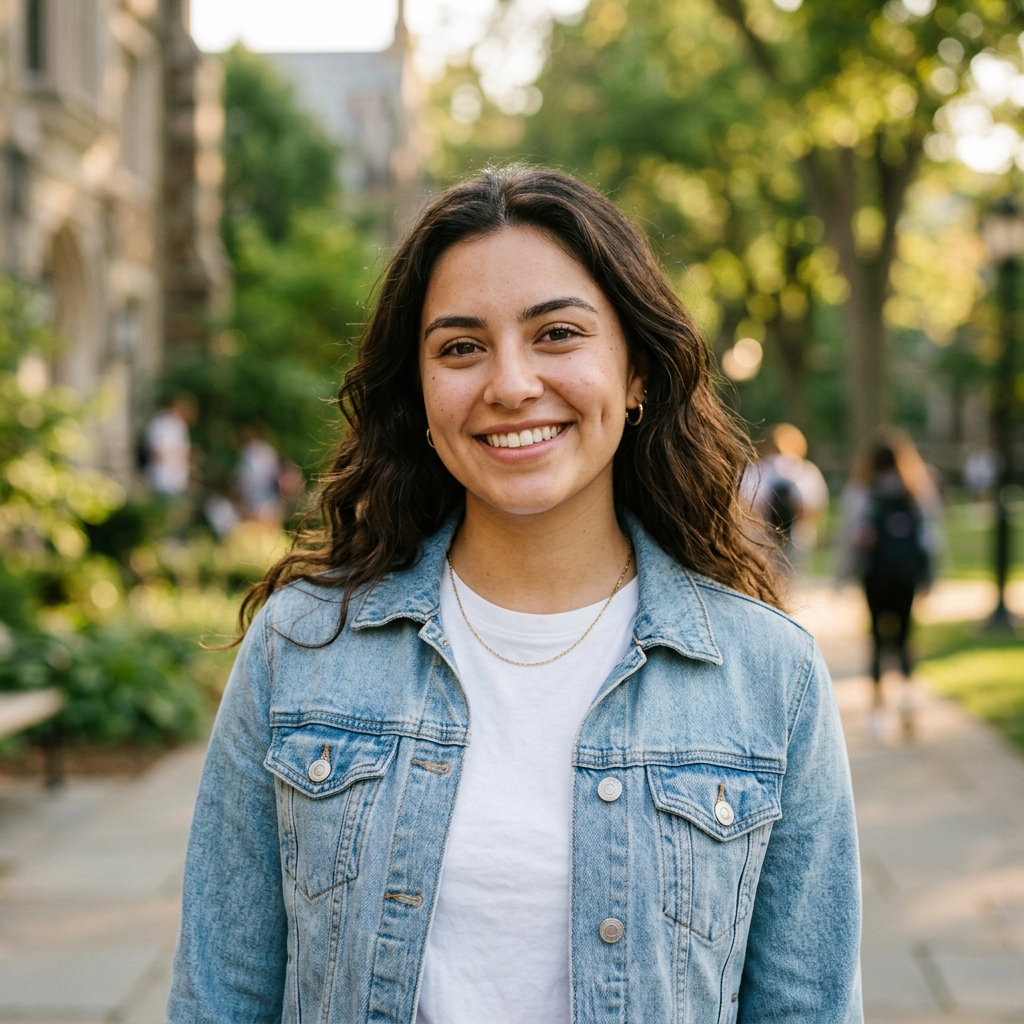
"He also caught something in the course review I would have completely missed. One of my chemistry courses wasn't going to satisfy UCSB's Environmental Studies prerequisite the way I'd assumed. ASSIST.org showed a substitution I didn't know existed. I had time to fix it before I applied."
Sofia R. · Admitted to UC Santa Barbara, Environmental Studies, off the waitlist
For California Students
If your teen is at a California community college, three structured transfer pathways exist that most students don't learn about until it's almost too late to use them. Robert knows all three and factors them into the strategy session from the start.

Your Transfer Guide
The transfer application attracts a specific kind of student: someone who made a decision, learned something real from the experience, and is now making a more informed one. Robert finds that the students who end up transferring often have the most interesting things to say in their applications, because they have actually lived through something. The problem is usually not that there is nothing to say. It is that they don't know how to say it in a way that an admissions reader will trust.
Robert brings the same depth of process knowledge to the transfer application that he brings to every sprint: a clear sense of what each school is actually looking for, a real understanding of how transfer admission decisions are made, and the ability to help a student find the honest version of their story rather than a polished one that reads like a press release.
For LGBTQ+ students transferring to schools where safety and belonging are part of the decision, Robert brings his specialist lens to the college list, the research, and where relevant, the essays. Finding the right next school is not just about academics and credit transfer. It is about whether your teen will thrive there.
From the Luminaries
"My first semester at PCC, I got a 2.8. By the time I started working with Robert, I'd pulled it up to a 3.5, but I was still convinced an admissions reader was going to see that first semester and stop reading. The first thing Robert did was ask me to walk him through what actually happened. Not in a therapist way. More like a 'let's figure out what the story is' way. He told me the trend was the story, and that a student who went from a 2.8 to a 3.5 while working full-time had something real to say about it. I'd been trying to hide from that semester. He made me use it. He also spent most of our second session asking me questions about my coursework: what clicked in intro oceanography, why I kept signing up for more earth science units, an independent ecology project I hadn't even mentioned because it wasn't a formal internship. He told me the prompt wasn't asking whether I had a fellowship. It was asking whether I'd actually engaged with the subject. I had that. I just hadn't been looking at it that way. He also caught something in the course review I would have completely missed. One of my chemistry courses wasn't going to satisfy UCSB's Environmental Studies prerequisite the way I'd assumed. ASSIST.org showed a substitution I didn't know existed. I had time to fix it before I applied. I got into UCSB. I start in the fall."
"Throughout my high school journey, I encountered numerous personal and familial challenges. Yet, no matter the circumstance, Robert always accommodated my needs and maintained open lines of communication. Despite facing setbacks and difficulties reflected in my grades, Robert kept me on track and skillfully guided me in weaving these experiences into my college essays and narrative. To my surprise, I received acceptances from institutions I never thought possible. Regardless of your current academic situation, I wholeheartedly believe that Robert can provide assistance on your college journey."
"Robert spent time to get to know my son, to help him understand his strengths, to educate him in identifying the right schools, and to coach him in developing personal statements that highlight his uniqueness. I was very impressed with how Robert guided my son in evaluating a good fit of the colleges for him, not just because the schools are academically strong and reputable, but culturally, how the colleges would provide him with an environment in which he could thrive and grow."
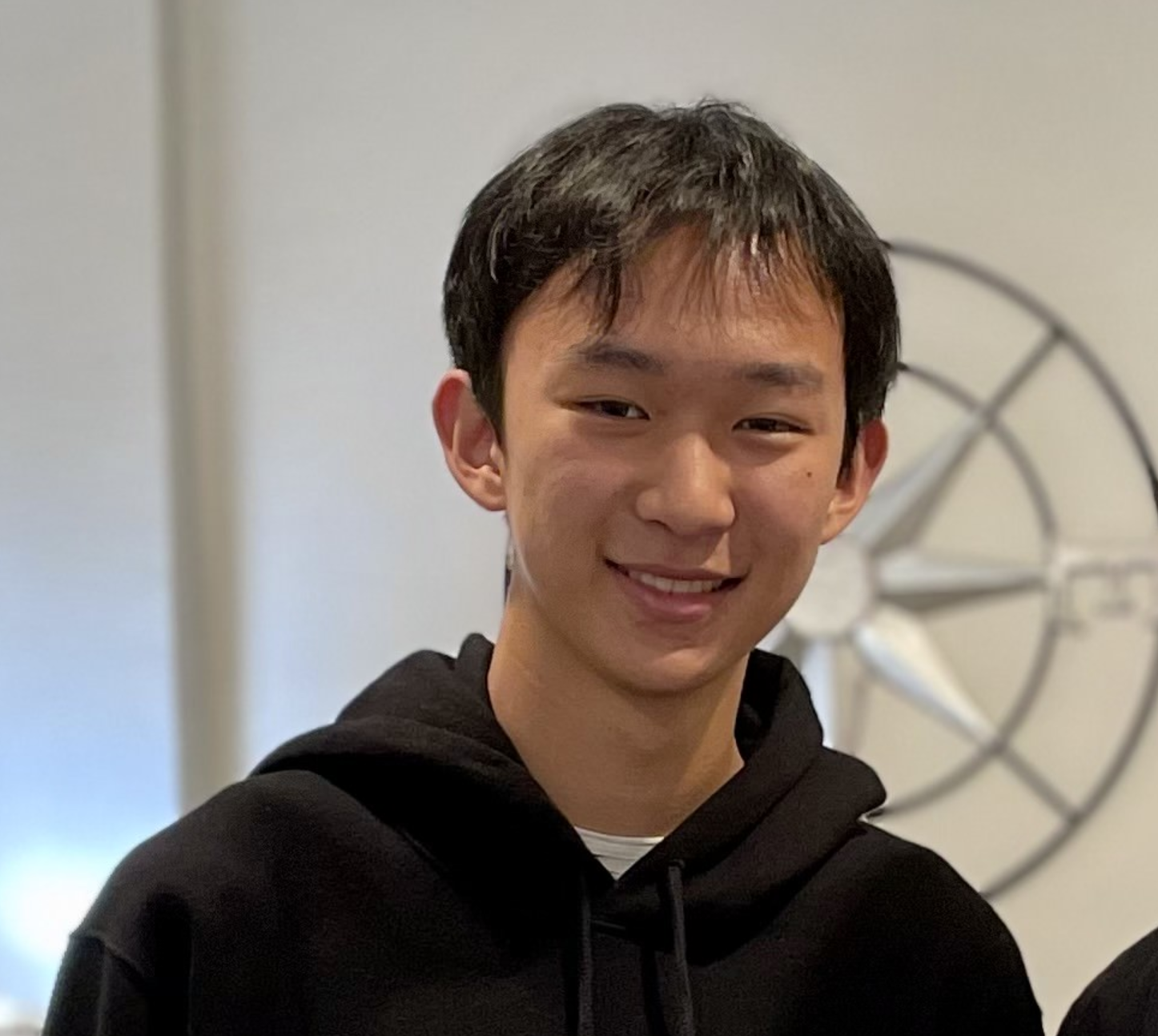
"Robert's greatest strength is his extensive knowledge of the application process as a whole. My job was to write my essays and activities, and Robert addressed any worries from the process of filling out the application itself. Having Robert guide me turned an otherwise terrifying prospect into something completely manageable."

"My work with Robert over the past year has been very helpful in my journey towards college. He was very helpful and, in my case, very patient, and helped throughout the entire process. I most definitely believe working with Robert was the right choice, and I would definitely work with him again if I had to do it over."
What You Receive
All of your teen's transfer application materials are organized in The Manuscript Room: a Google Drive folder Robert builds and delivers as the sprint progresses. It contains four named files.
Robert's research notes on each school on the list: why it's on the list, what it specifically offers this student, program fit, financial aid candidacy, and campus culture context.
All final, polished transfer essays in submission-ready form: the Why Transfer essay, Personal Statement or PIQs where required, and Why This School supplements for each school on the list.
The completed activities section and resume materials prepared for transfer applications, covering both high school and college activities and sequenced for maximum effect.
Robert's written feedback from the application review before submission. The Manuscript Room stays accessible after the sprint ends and serves as a complete reference through the submission process.
The Sprint
Choose based on where you are applying. The scope is different. The process and the personal attention are the same.
Right for students applying to UC + Cal State only, or to other schools only (not both).
Right for students applying to both UC + Cal State and other schools. Most California community college transfer students choose this tier.
When to Start
The UC and Cal State transfer applications are both due November 30th, and the UC TAG deadline is October 1st. These fall during a period when most students are in the middle of the semester and not thinking about applications. Starting the sprint early gives your teen the space to do this work well alongside their coursework.
Starting in August or September gives your teen time to complete the strategy session, develop the essays carefully, and prepare the UC TAG application if applicable, all before the October 1st TAG deadline and the November 30th UC and Cal State deadlines. Students who start here do the work well and are not in a sprint against the calendar.
UC TAG: Oct 1 UC + Cal State: Nov 30Starting in October is still feasible for the November 30th UC and Cal State deadlines, but the UC TAG window has passed. Robert will work with the timeline, prioritize what needs to go in first, and ensure the applications are strong even with compressed time. Students who start here should be prepared for an intensive few weeks.
UC + Cal State: Nov 30Transfer deadlines for schools on the Common App or direct application vary widely: some are November, many are February through April for fall admission, and some have spring transfer deadlines as well. Students applying to non-UC and non-Cal State schools have more flexibility on timing, but the earlier the strategy session happens, the more options are available. Robert will review your teen's specific target list and map the relevant deadlines at intake.
Some students transfer for spring semester rather than fall. Spring transfer deadlines are typically in October and November for a January start. If your teen is considering a spring transfer, the sprint timeline and strategy differ from fall transfer, and Robert will adapt the approach accordingly. Reach out before enrolling if spring is the goal so the sprint is scoped correctly.
Common Questions
Enroll
Questions before enrolling? Email Robert and he will help you figure out which tier fits your teen's situation.